V Fib V Tach Ecg

Ventricular Tachycardia Vt Ecg Review Criteria And Examples Learntheheart Com

Ventricular Tachycardia Fibrillation Wide Complex Tachycardias Cancer Therapy Advisor

Ekg Interpretation

Difference Between Ventricular Tachycardia Vtach And Ventricular Fibrillation Vfib Difference Between
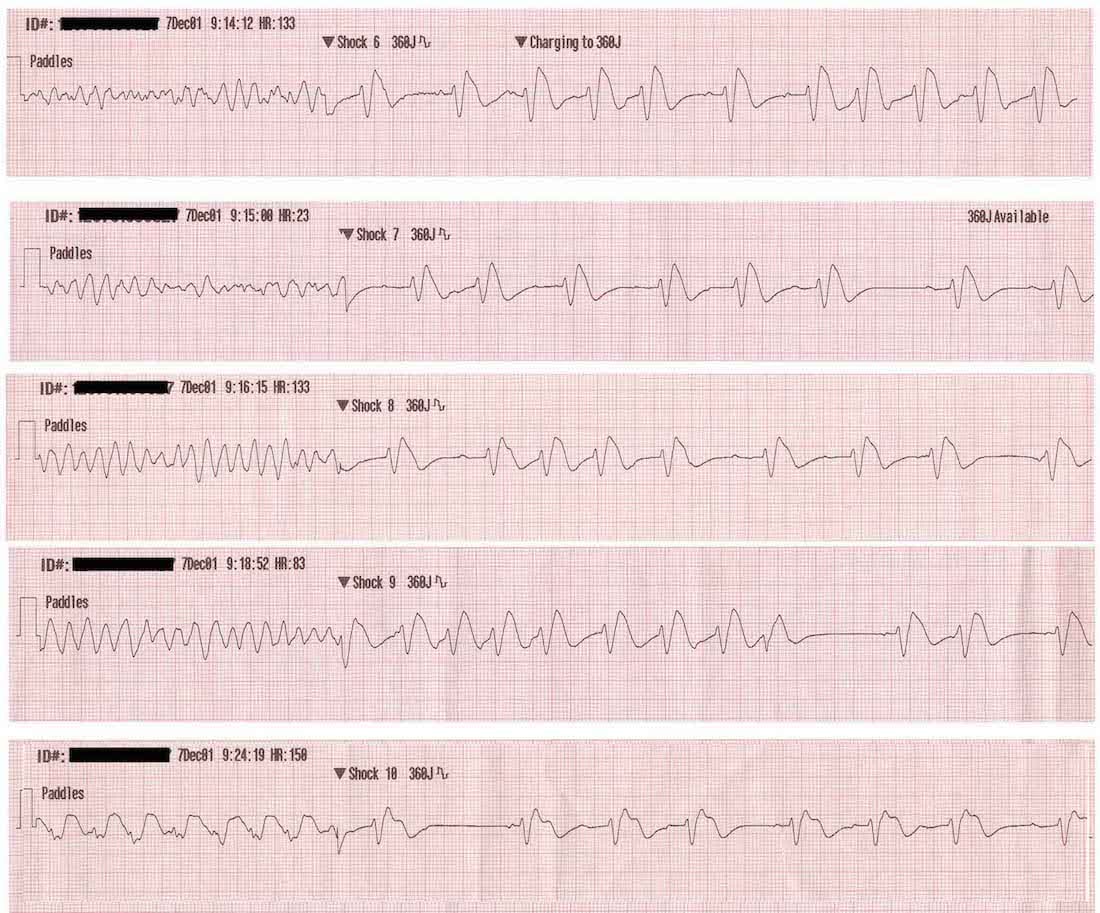
Ventricular Fibrillation Vf Litfl Ecg Library Diagnosis

Ekg Interpretation

Cardiac arrest and sudden cardiac death.
V fib v tach ecg. Ventricular tachycardia v tach or vt is a type of regular fast heart rate that arises from improper electrical activity in the ventricles of the heart. Ventricular tachycardia v tach typically responds well to defibrillation. Distinguishing between ventricular tachycardia and ventricular fibrillation from compressed ecg signal in wireless body sensor networks annu int conf ieee eng med biol soc. Bmc medical genetics 15 2014.
Regardless of etiology and ecg ventricular tachycardia is always a potentially life threatening arrhythmia which requires immediate attention. Acls cardiac arrest vtach and vfib algorithm perform the initial assessment perform high quality cpr establish an airway and provide oxygen to keep oxygen saturation 94 monitor the victim s heart rhythm and blood pressure if the patient is in vtach or vfib this is a shockable rhythm apply defibrillator pads or paddles and shock the. Patients may present with or without a pulse. Ventricular tachycardia vs ventricular fibrillation arrhythmia means irregular cardiac rhythm and slow arrhythmias are called bradyarrhythmias and fast ones are called tachyarrhythmias there are various types of arrhythmias.
A wide range of conditions may cause ventricular tachycardia and the ecg is as nuanced as are those conditions. Ventricular fibrillation is treated according to the resuscitation algorithm. A good starting point for learning about v fib and other types of ekg interpretation is our ekg basics training course. Ventricular tachycardia is a poorly perfusing rhythm.
Differences between patients with ventricular tachycardia and ventricular fibrillation as assessed by signal averaged electrocardiogram radionuclide ventriculography and cardiac mapping. By bagnall et al. Although a few seconds may not result in problems longer periods are dangerous. Ventricular tachycardia is a highly nuanced arrhythmia which originates in the ventricles.
They are atrial tachycardia monofocal or multifocal atrial fibrillation atrial flutter atrioventricular nodal re entry tachycardia atrioventricular re entry. Journal of the american college of cardiology 11 2 276 283. Treatment of ventricular fibrillation. This rhythm usually appears on the monitor as a wide regular and very rapid rhythm.
The course provides training on the key features of an ekg tracing.

Pin On New Nurse Graduate

Acls Ventricular Fibrillation And Pulseless Ventricular Tachycardia Guide

Acls Ventricular Fibrillation And Pulseless Ventricular Tachycardia Guide
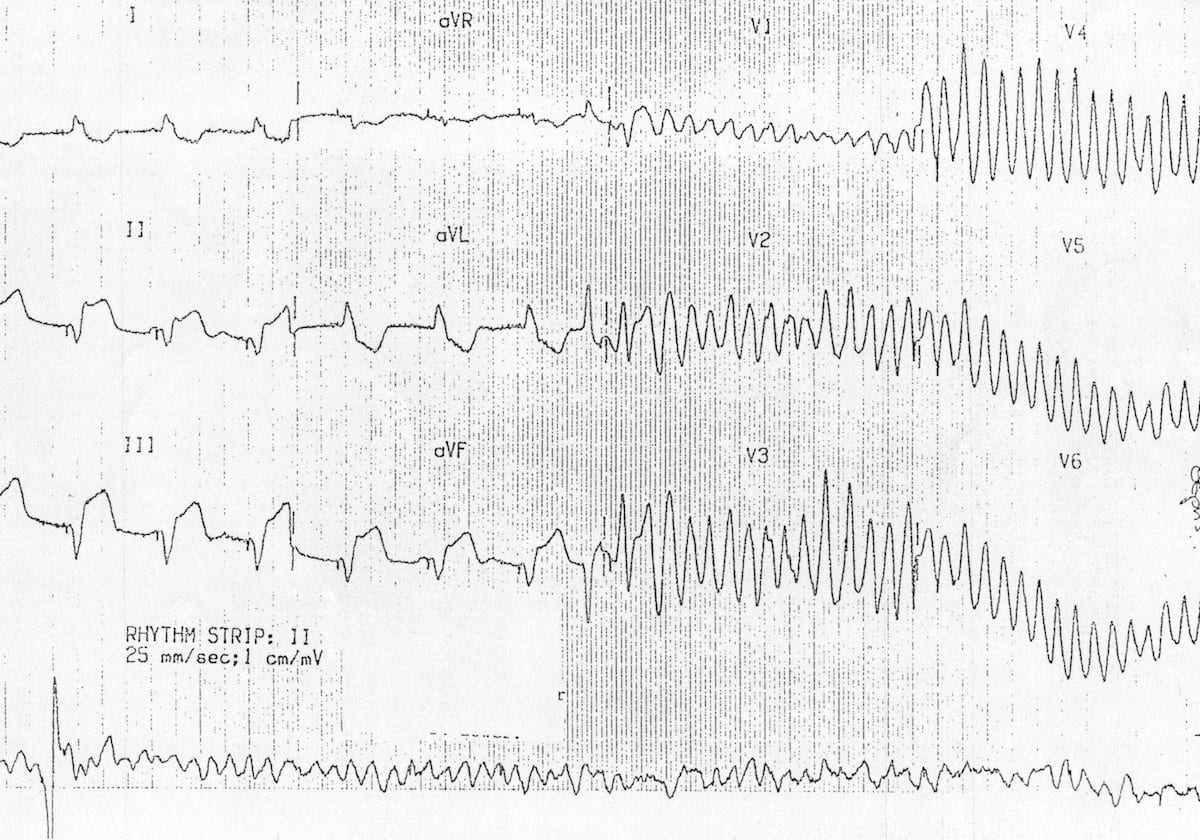
Ventricular Fibrillation Vf Litfl Ecg Library Diagnosis
Ventricular Tachycardia V Tach Or Vt Is A Type Of Regular And Fast

Vfib Vs Vtach Vfib Vs Vtach In 2020 Cardiology Nursing Nurse Icu Nursing
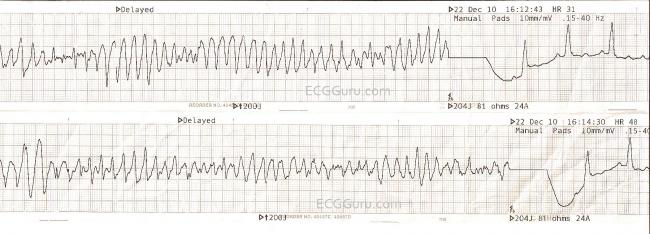
V Tach Ecg Guru Instructor Resources
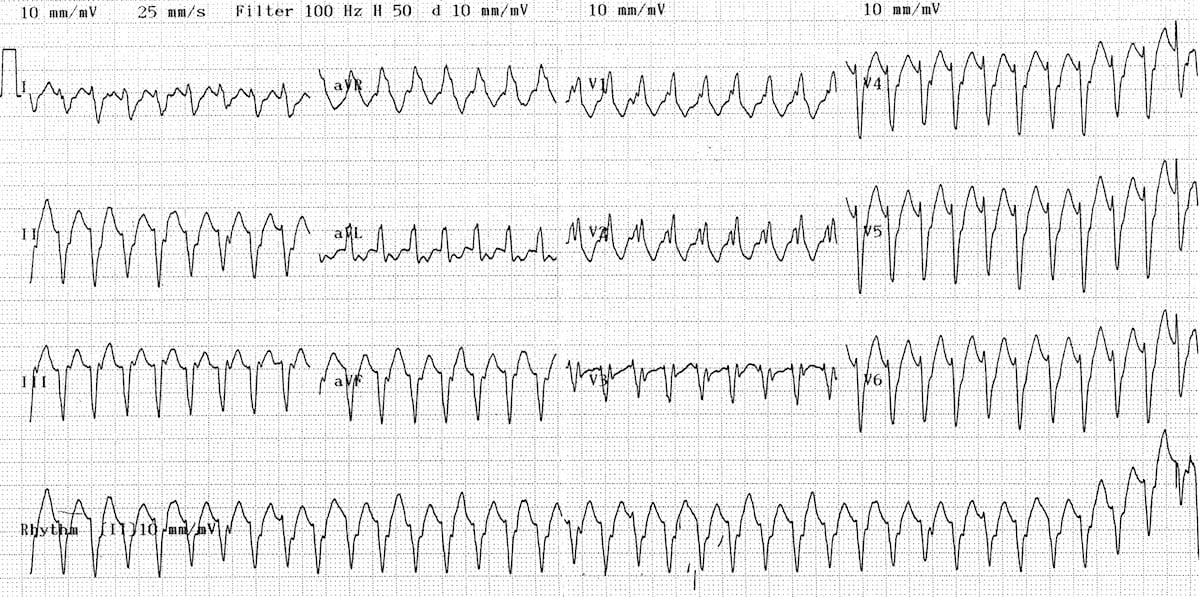
Ventricular Tachycardia Monomorphic Vt Litfl Ecg Library
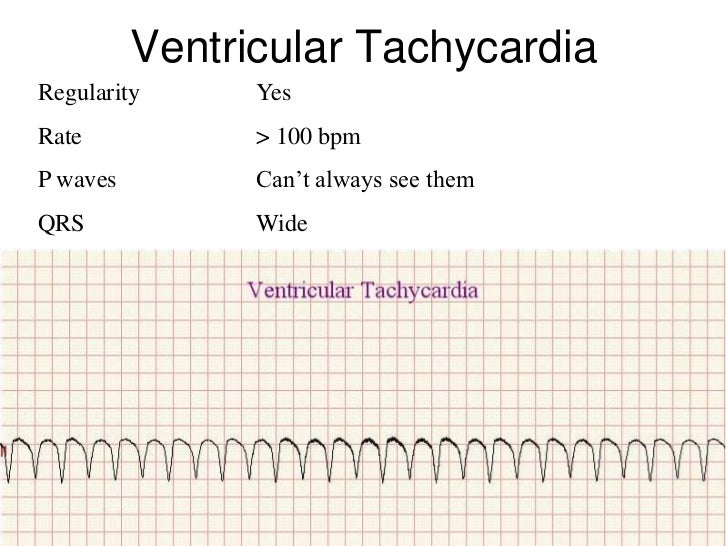
Basic Ekg And Rhythm Interpretation Symposia The Crudem Foundation

Common Ecgs Shockable V Fib V Tach Cardiac Nursing Nursing Notes Nursing School Survival
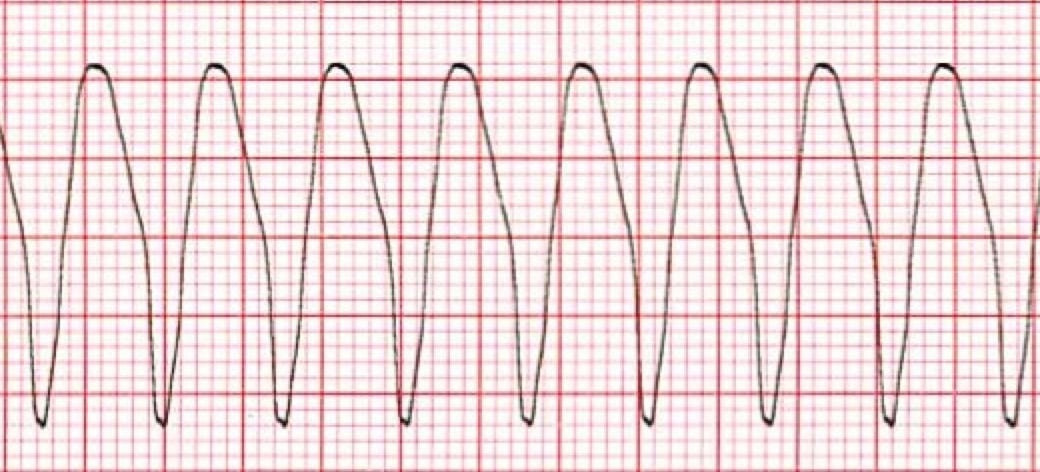
Wide Complex Tachycardia Training Acls Cardiac Rhythms Video Proacls
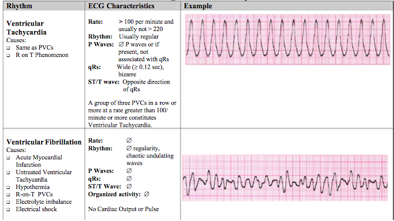
Course Postgradfamilypractice Examprep 99 Priority Topics Acls Ubc Wiki

Treatment Of Ventricular Arrhythmias The Cardiology Advisor
